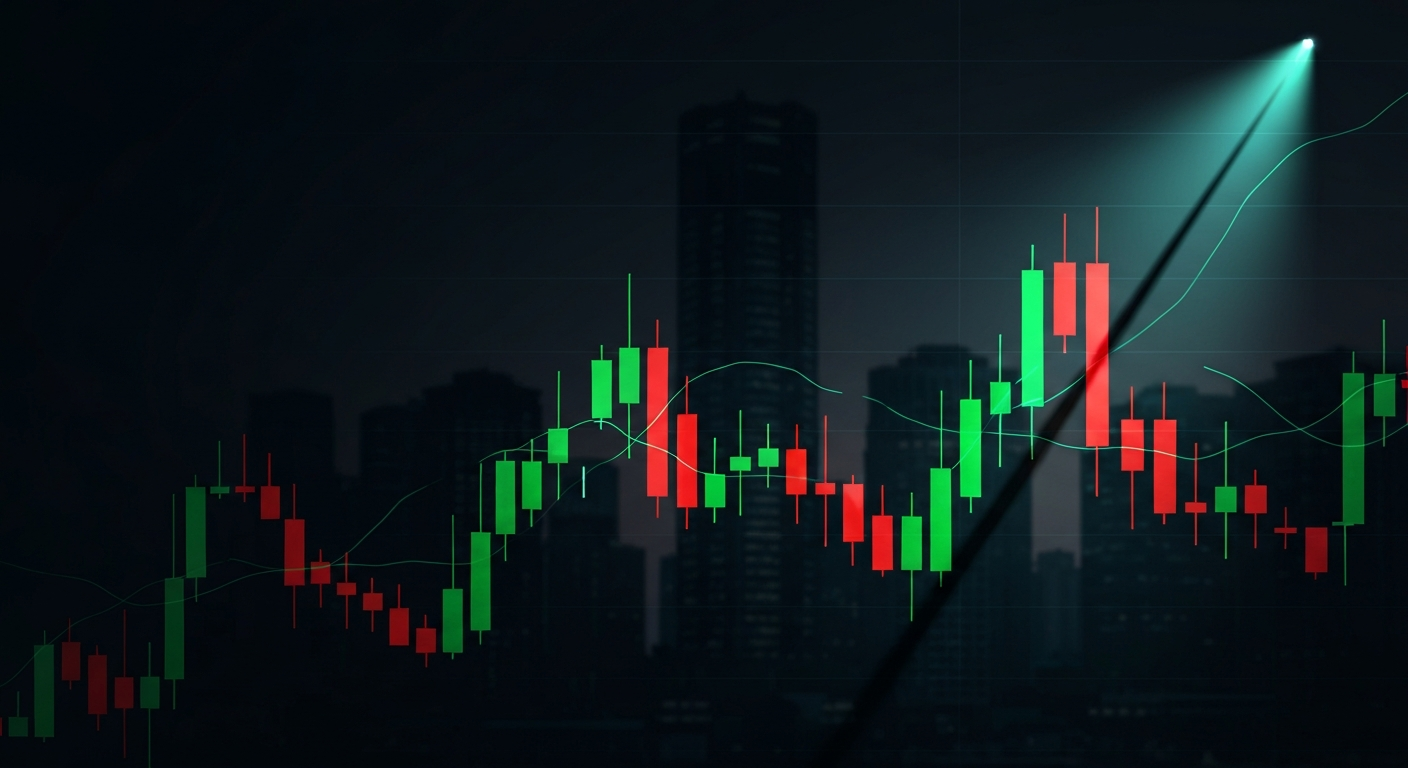
This game is about reading the tape, and if you're not fluent in candlesticks, you're trading blind. They're more than just pretty colors; each candle is a snapshot of the battle between buyers and sellers. Most folks glance at them and think they get it. They don't. The real edge comes from understanding what the wicks are telling you.
Body vs. Wick: The Real Story
Every candlestick has a body and wicks (sometimes called shadows). The body shows the open and close. A green (or white) body means the close was above the open — buyers won that round. A red (or black) body means the close was below the open — sellers had the upper hand. Simple enough.
But the wicks? That's where the nuance lives. Wicks show you the high and low prices hit during that period. A long upper wick means buyers tried to push it higher, but couldn't hold the gains. Sellers stepped in and knocked it back down. A long lower wick means sellers tried to tank it, but buyers defended and pushed it back up.
Think of it this way: the body is the final score, but the wicks are the highlight reel of the struggle. Ignoring the wicks is like watching a football game and only caring about the final score, not who almost fumbled on the goal line.
The Message in a Long Wick
A long wick, especially at an extreme, is a signal. It tells you the prevailing force in that direction ran into a wall. It's rejection.
Long Upper Wick: Price moved up, but sellers hammered it back down before the close. This often signals overhead resistance. If you see this after a strong rally, it tells me the buyers are exhausted, and the sellers are starting to make a stand. I don't trust a move that keeps printing long upper wicks.
Long Lower Wick: Price moved down, but buyers stepped in and pushed it back up before the close. This often signals support. If you see this after a sell-off, it tells me the dip buyers are active, and the sellers are losing conviction. I'd watch for follow-through here.
This isn't just theory; it's how the big money thinks. They're looking for signs of weakness or strength, and wicks are flashing those signals constantly.
High-Signal Single Candlesticks
While patterns get all the press, some individual candles scream louder than others. Here are a couple I keep an eye on:
The Hammer / Hanging Man
These are essentially the same shape: a small body at the top or bottom of a long lower wick, with little to no upper wick. The difference is where they appear.
Hammer: Found at the bottom of a downtrend. It signals that sellers tried to drive price lower but strong buying interest pushed it back up. It's a potential reversal signal. It tells me the bears are losing their grip.
Hanging Man: Found at the top of an uptrend. Here, buyers tried to push higher, but sellers took control and pushed price back down. It's a warning sign, suggesting the bulls might be getting tired. This often means distribution is happening.
The Shooting Star
This is the inverse of the Hammer: a small body at the bottom of a long upper wick, with little to no lower wick. It appears at the top of an uptrend. Buyers tried to push it way up, but sellers completely overwhelmed them, pushing it back near the open. It's a strong bearish reversal signal. When I see this, I'm thinking the easy money is already made.
The Marubozu
This is a candle with a full body and virtually no wicks. A Bullish Marubozu (green/white) means the open was the low and the close was the high – pure buyer dominance. A Bearish Marubozu (red/black) means the open was the high and the close was the low – pure seller dominance. These show conviction. No indecision, just one side taking control.
The Takeaway
Don't just look at the color of the candle. Dig into the wicks. They're the battle scars, the tell-tale signs of where the real fight happened. The crowd focuses on the obvious; your edge is seeing what they miss. These signals aren't guarantees, but they give you a better read on who's in control, and that's half the battle right there.